
Choosing the Right Technology Stack for Your Project
1. What Exactly is a Tech Stack?
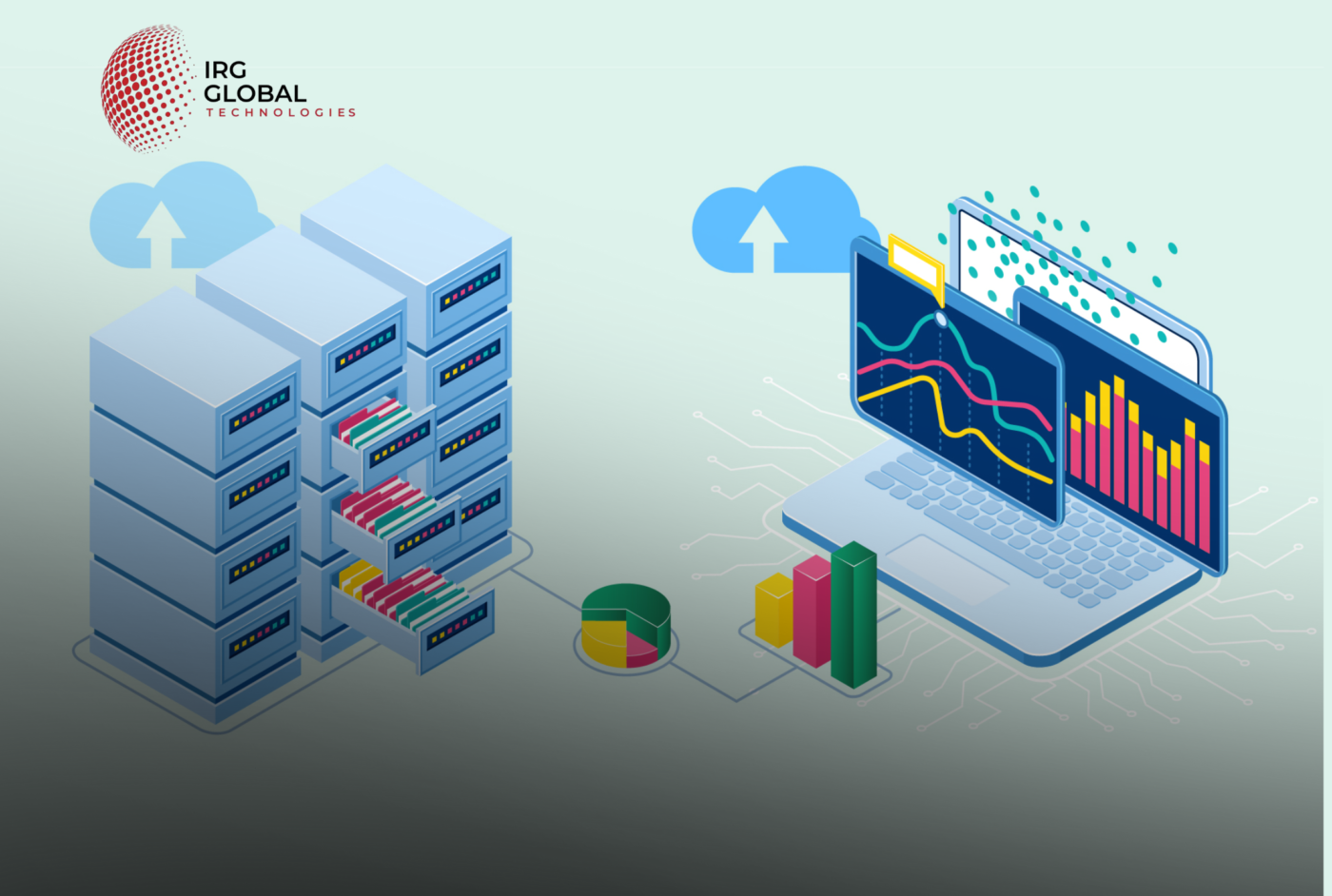
A technology stack (or “app stack”) is the combination of software products and programming languages used to create a web or mobile application. It is generally divided into two main sections:
- The Frontend (Client-side): Everything the user sees and interacts with (HTML, CSS, JavaScript frameworks like React).
- The Backend (Server-side): The “brain” of your app. It handles logic, database interactions, and authentication (Node.js, Python, Ruby).
2. Key Factors to Consider in 2026
Before you look at specific tools, you need to answer five critical questions.
A. Project Type and Complexity
Are you building a simple landing page, a real-time chat app, or an AI-driven data platform?
- Simple MVPs: Priority is speed. Use “batteries-included” frameworks like Ruby on Rails or Django.
- High-Performance Apps: If you need to handle millions of requests, look toward Go (Golang) or Rust.
B. Scalability Requirements
Scalability isn’t just about more users; it’s about how easily your app can grow without a total rewrite.
- Vertical Scaling: Adding more power to your existing server.
- Horizontal Scaling: Adding more servers (Cloud-native architectures like Kubernetes are king here).
C. Team Expertise
The “best” language is often the one your team already knows. In 2026, developer salaries are high; forcing a team to learn a completely new ecosystem mid-project is a recipe for delay and bugs.
D. Time to Market (TTM)
If you’re a startup, your goal is to ship. Frameworks with large libraries (like Node.js/npm) allow you to “plug and play” features like payment processing and auth rather than building them from scratch.
E. AI and Future-Proofing
Modern stacks now prioritize AI-Readiness. This means choosing languages with strong AI libraries (Python) or frameworks that integrate seamlessly with LLM APIs (like LangChain or Vercel’s AI SDK).
3. Popular Tech Stacks for 2026
Here is a breakdown of the most reliable combinations used today:
| Stack Name | Components | Best For |
| MERN | MongoDB, Express, React, Node.js | Fast-growing startups & JSON-heavy apps. |
| Python-Django | Python, Django, PostgreSQL | Data science, AI apps, and high-security sites. |
| LAMP | Linux, Apache, MySQL, PHP | Classic CMS (WordPress) and cost-effective sites. |
| Next.js + Supabase | React, Next.js, Postgres, Vercel | Modern SaaS with excellent SEO and speed. |
| AI-Native | Python, FastAPI, LangChain, Pinecone | LLM-powered tools and intelligent agents. |
4. Common Pitfalls to Avoid
Chasing the “Hype”
In 2026, it’s tempting to use the newest “edge-only” framework or a niche language like Zig just because it’s trending on GitHub. Don’t. Unless you have a specific technical reason, stick to mature ecosystems with large communities. If you run into a bug at 3:00 AM, you want a Stack Overflow answer to exist.
Ignoring Security
With AI-driven cyberattacks on the rise, security can’t be an afterthought. Ensure your stack supports Confidential Computing and has built-in protections against SQL injection and XSS (Cross-Site Scripting).
5. Decision Matrix: Which One Should You Choose?
- “I need to launch an MVP in 4 weeks.” * Choose Ruby on Rails or Next.js with a No-Code backend like Supabase.
- “I am building an enterprise-grade banking tool.”
- Choose Java (Spring Boot) or .NET for their robust security and type safety.
- “I am building a real-time streaming or gaming platform.”
- Choose Node.js or Go for their ability to handle concurrent connections efficiently.
Conclusion
The right tech stack is the one that lets you build fast today without making your life miserable tomorrow. Start with your business goals, assess your team’s current skills, and prioritize a stack with a healthy community.
